
Ceramic vs Porcelain Tile: How to Choose
Porcelain is a kind of ceramic tile. Here is what the water absorption test means, where each one belongs, and how to check what you are buying.
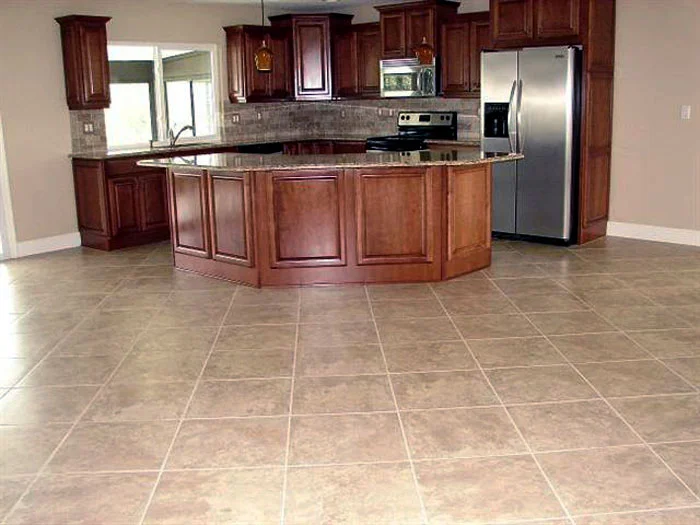
Porcelain is a kind of ceramic tile. The two words are not rivals, and “porcelain” is no mere fancy name. It is a label with a test behind it: how much water the tile soaks up.
That one number explains most of what you hear in a showroom. Porcelain takes in very little water and is dense. Other ceramic tile takes in more and is softer. Below, we say what each one means for a floor, a shower and a patio, and where the name stops being useful.
We install tile for a living, so we are not neutral. Every fact below names where it came from, so you can read it yourself. We left prices out, because a price depends on your room and the tile you pick.
What the two words mean
Start with the test. The Tile Council of North America (TCNA), the trade group for the tile industry, files this question under “Ceramic Tile” on its FAQ page. It splits tile into porcelain and non-porcelain. Porcelain is defined there as an impervious tile with a water absorption of 0.5% or less, measured by a lab method called ASTM C373. Non-porcelain tile absorbs more than that.
So the plain answer to “what is the difference” is a number on a lab report, not a look. A tile can be glossy or matte, plank or square, and be either one.
Ceramic
Softer body. Takes in more water. Cuts more easily.
Porcelain
Denser body. Takes in 0.5% or less. Harder to cut.
TCNA says porcelain tiles are typically dense, and that non-porcelain tiles vary widely. That second part matters. “Ceramic” in a store usually means everything on the non-porcelain side, and that group covers a lot of products.
How each one is made, and how it wears
Bob Vila describes porcelain as harder, denser, tougher and less porous than ceramic tile. Ceramic, he says, is softer and more porous because it is fired at a lower temperature. MSI, a tile maker and supplier, says the same thing from the factory side: porcelain is made from refined clay and fired at extremely high temperatures, while ceramic uses a coarser clay.
The surface matters too. Most ceramic tile is glazed, which means a hard coating sits on top of a clay body. Bob Vila points out that when a glazed ceramic tile chips, the clay under the glaze shows through. Unglazed porcelain is colored all the way through, so a chip shows far less.
TCNA backs up the through-body point. It says unglazed porcelain keeps its color throughout and resists visible wear, and that glazed porcelain is often durable as well. It also adds a useful detail for cleaning: glazed porcelain is usually easier to clean because its microscopic pores are filled, while unglazed porcelain may grip better underfoot.
For ceramic, TCNA gives a warning worth keeping. If you pick a glazed non-porcelain tile, confirm that the glaze has been tested and that its hardness suits where the tile is going. In other words, a ceramic tile made for a wall is not made for a hallway.
Which rooms each one suits
Here the sources split the house the same way.
Bob Vila says porcelain suits bathrooms, laundry rooms and other spots where moisture shows up, and that it handles heavy traffic. He says ceramic is better kept to areas with low or moderate foot traffic and away from places like showers and patios. MSI lines up with that. It puts porcelain in kitchens, bathrooms, entryways and patios, and ceramic in dry indoor rooms such as living rooms, bedrooms and dining rooms.
Our read, as people who set both: if the room gets wet, gets walked on all day, or both, lean porcelain. A kitchen floor and a bathroom floor are both on that list. A guest bedroom or a dining room that sees little water is where a ceramic tile has no real disadvantage.
Tile installation is where this choice turns into a floor, so bring the room to us. We help you pick the tile, and then our own crew does the install in house. Tell us where the water is and where the feet are, and the right body usually falls out of that.
Outdoors and wet areas: read the rating, not the name
This is where most advice online turns too neat. It says porcelain goes outside and ceramic stays in. TCNA does not say that.
On its exteriors FAQ, TCNA says tile for outdoor use must be rated by the manufacturer for exterior use. That rating takes in freeze and thaw behavior, crazing and water absorption, along with the clay body and how it was fired. Exterior suitability, it says, depends on the maker’s evaluation, not on the tile type name.
The porcelain page says the same from another angle. Low absorption usually makes porcelain frost resistant, but not always, and you should check the maker’s literature. Many non-porcelain tiles are also suitable for freeze and thaw, and many non-porcelain quarry tiles are rated for exterior use. Check the maker’s stated area of use for each product.
The question that settles it is not "is this porcelain." It is "does the maker say this tile is for this place." The carton or spec sheet answers that, and a salesperson's guess does not.
For a wet floor, add slip grip to your list. TCNA’s porcelain answer notes that unglazed porcelain may offer better slip resistance than glazed. Ask for the tile’s friction information before you set a smooth glossy tile on a shower floor or a pool deck.
Is it really porcelain?
TCNA says some products sold as porcelain do not meet the standard. That comes from the industry’s own FAQ, and it is the best reason to check the label.
It points to the Porcelain Tile Certification Agency, or PTCA. The agency was launched by the Ceramic Tile Distributors Association and TCNA, according to Floor Biz, a flooring trade outlet. Tile that passes testing can carry the PTCA mark on its packaging. TCNA says a PTCA mark indicates certified true porcelain.
So there are three ways to check, from easiest to most careful.
- Look for the PTCA mark on the carton or the manufacturer’s spec sheet.
- Ask for the water absorption figure, and look for 0.5% or less.
- Ask where the tile is rated to go: floor, wall, wet area or outdoors.
None of that takes more than a minute in a showroom. If a seller cannot answer, that tells you something too.
Wood look tile: which body is it?
Wood look tile is a tile made to look like a plank, with wood grain and color variation on the face. A wood pattern tells you nothing about the body under it, so the picture alone does not say what you are buying.
The tile trade show Coverings, in a piece on wood look ceramic, says ceramic tile is water resistant, comes in slip resistant options, and cleans with water alone. It says the fire hardened surface will not fade or warp from sun, and that many options handle freeze and thaw cycles that can damage other flooring, so they suit a patio. Treat that as a trade show’s pitch, and check the specific tile’s rating the same way you would any other.
Wood look tile is a good example of why the label matters more than the picture. Two planks that look the same on a shelf can have different bodies, different absorption and different places they belong. If you are picking one for a bathroom, a laundry room or a sunny lanai, ask which body it has, and where the maker rates it to go. Our wood look tile page covers the product, and you can look at tile in person at our Odessa showroom.
What the installer deals with
Here is the part the homeowner rarely sees. TCNA says non-porcelain tiles are generally easier to bond and cut, and that porcelain is harder to work with, which mainly affects installers. Bob Vila says porcelain needs a wet saw with a diamond blade, while ceramic can be cut with a simple tile cutter, and that professional installation is preferred for porcelain.
That is a fair description of the work, and it is the reason a rushed porcelain job shows. Hard tile punishes a dull blade and a rough cut. It also means the crew you hire should own the right saw and have set this tile before.
Use this to ask a better question than “how much.” Ask who will cut the tile, what saw they use, and whether the crew has set tile this hard. Our tile installation crew does the work in house, so the same company that helps you pick the tile sets it.
How to choose
Put the rooms in two piles.
Lean porcelain for floors that get wet, floors that get walked on all day, entries, patios and showers. Lean ceramic for dry rooms with light traffic, where the maker rates the tile for the job.
If you are on the fence, ask yourself three things.
- Will this tile get wet, or sit in sun and rain?
- How hard will people and furniture be on it?
- Does the maker rate this exact tile for that spot?
If all three answers favor the denser tile, buy porcelain, and make sure it is real. If the room is dry and quiet and a ceramic you love is rated for it, you do not have to pay for density you will never use.
What to ask before you buy
- What is this tile’s water absorption, and does it carry the PTCA mark?
- Where does the maker rate it to go: floor, wall, wet area, outdoors?
- Is it glazed or through-body, and how does it wear?
- What is its slip resistance, if the spot will be wet?
- Who will cut and set it, and have they set tile this hard before?
Holding two tile samples and unsure which body each one has? Ask us.
Where we work
We work out of Odessa, in Pasco County, and install tile across Pasco, Pinellas and Hillsborough. Tell us the room, how it gets used, and which samples you are weighing.
About the author
Andy's crew installs tile, including wood look tile. Andy Tsiouklas is the owner of Trinity Tile and Stone. In Andy's words: "My father has been in the construction field all his life, and I ended up going the same route he did, keeping it in the family."
Related work
Both tile pages say more about the jobs we do with each.